
The Housing Stability Collective supports people who wereformerly houseless to remain housedthrough integrated, low-barrier servicesgrounded in lived experience.
How we approach the work
Person and Community Centered
We follow the lead of people with lived experience, recently housed neighbors, and those who support them. Their unique strengths, needs, and priorities shape our work.
Transparency and Authentic Partnership
We build trust through openness, clear communication, and meaningful collaboration. Strong partnerships create more effective and lasting solutions.
Trauma Informed
We recognize how trauma affects people, communities, and systems. We work in ways that promote safety, trust, choice, and healing.
Housing Focused
Every person’s path to housing stability is different. Peer Specialists help people explore options, connect with services, and make informed choices about their own path forward.
Low Barrier Participation
We remove obstacles so recently housed neighbors can access flexible, timely support before challenges become crises.
Cultural Responsiveness
We recognize that experiences of houselessness, housing instability, and system involvement are shaped by race, ethnicity, tribal affiliation, gender identity, disability, language, and other lived identities. Data demonstrates that historically marginalized groups, including LGBTQIA2S+, Native American / Indigenous people, and Black and Brown people experience houselessness and housing instability at higher rates due to systemic racism and/or historical exclusion and marginalization. Cultural responsiveness means we actively examine disparities, address inequities, and adapt our approaches to reflect the cultural strengths and realities of the communities we serve.
Outcome and Data Driven
We believe in gathering and analyzing meaningful data, setting targets, monitoring and analyzing outcomes, and working alongside partners to adjust in real time to achieve the strongest possible impact. Quantitative and qualitative data (equitably collected) are equally core to understanding impact and driving improvements that can sustain over time.
Who we are
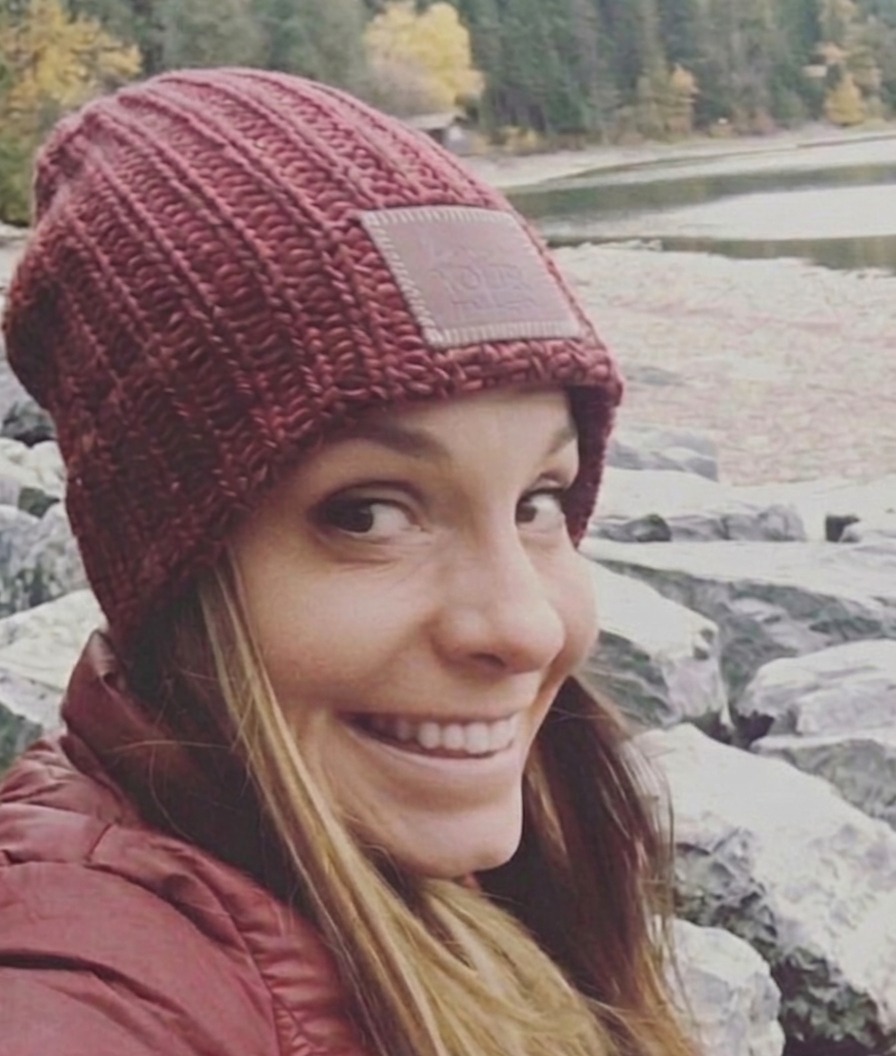
Sara Kauk
Director, Housing Stability Collective
Sara brings a distinctive perspective, grounded in her roots as a Montanan, her lived experience growing up with adverse childhood experiences, and her human-centered design leadership. She is deeply committed to expanding access to services for people experiencing housing instability.
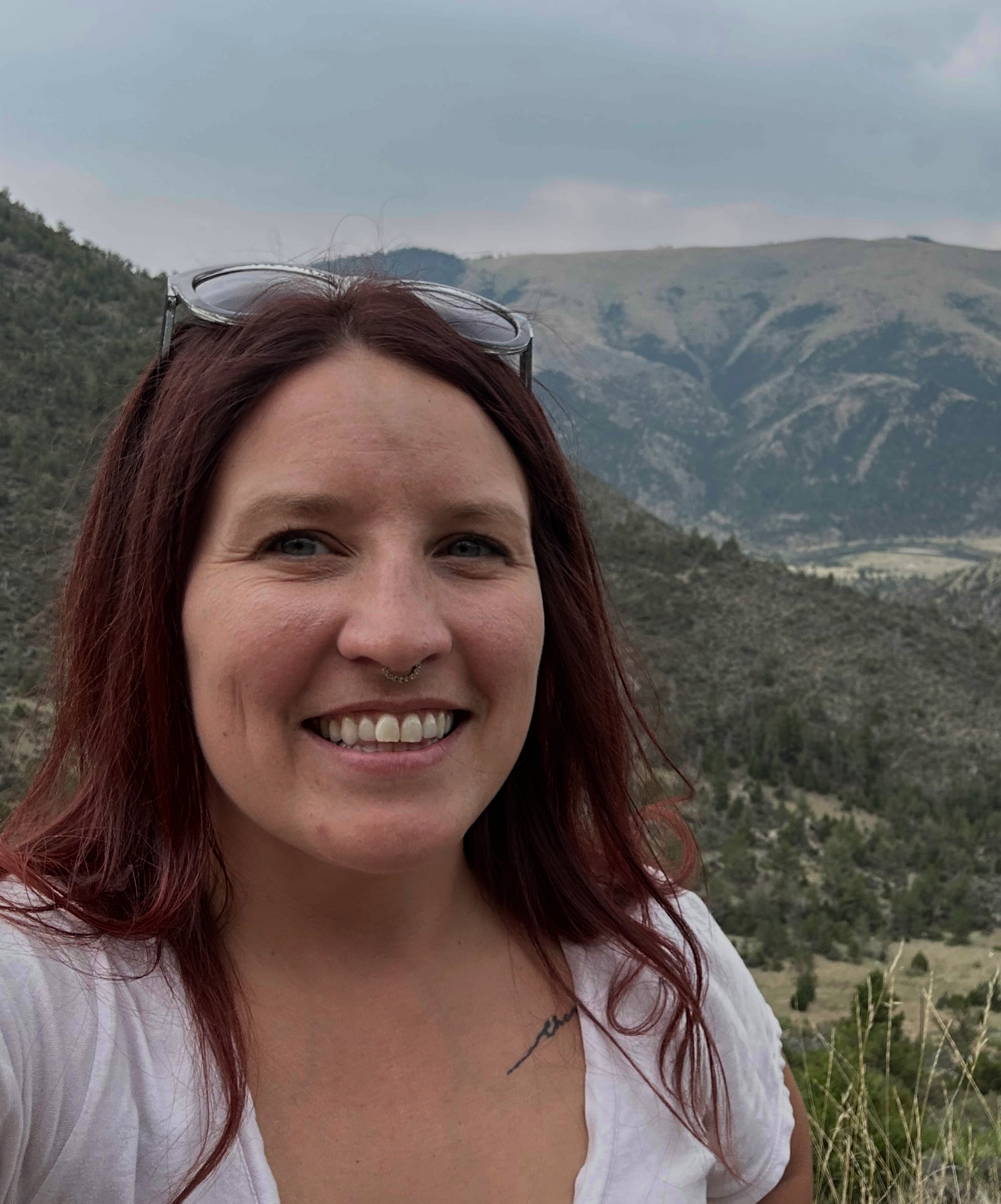
Tawni Ryan
Peer Specialist (Contractor)
Tawni has experience working as a peer support specialist and community outreach support specialist in Washington, as well as serving our local community through her work at the Poverello Center and Hope Rescue Mission. Her greatest passion in life is to help others by offering hope, compassion, and support to those facing difficult circumstances.
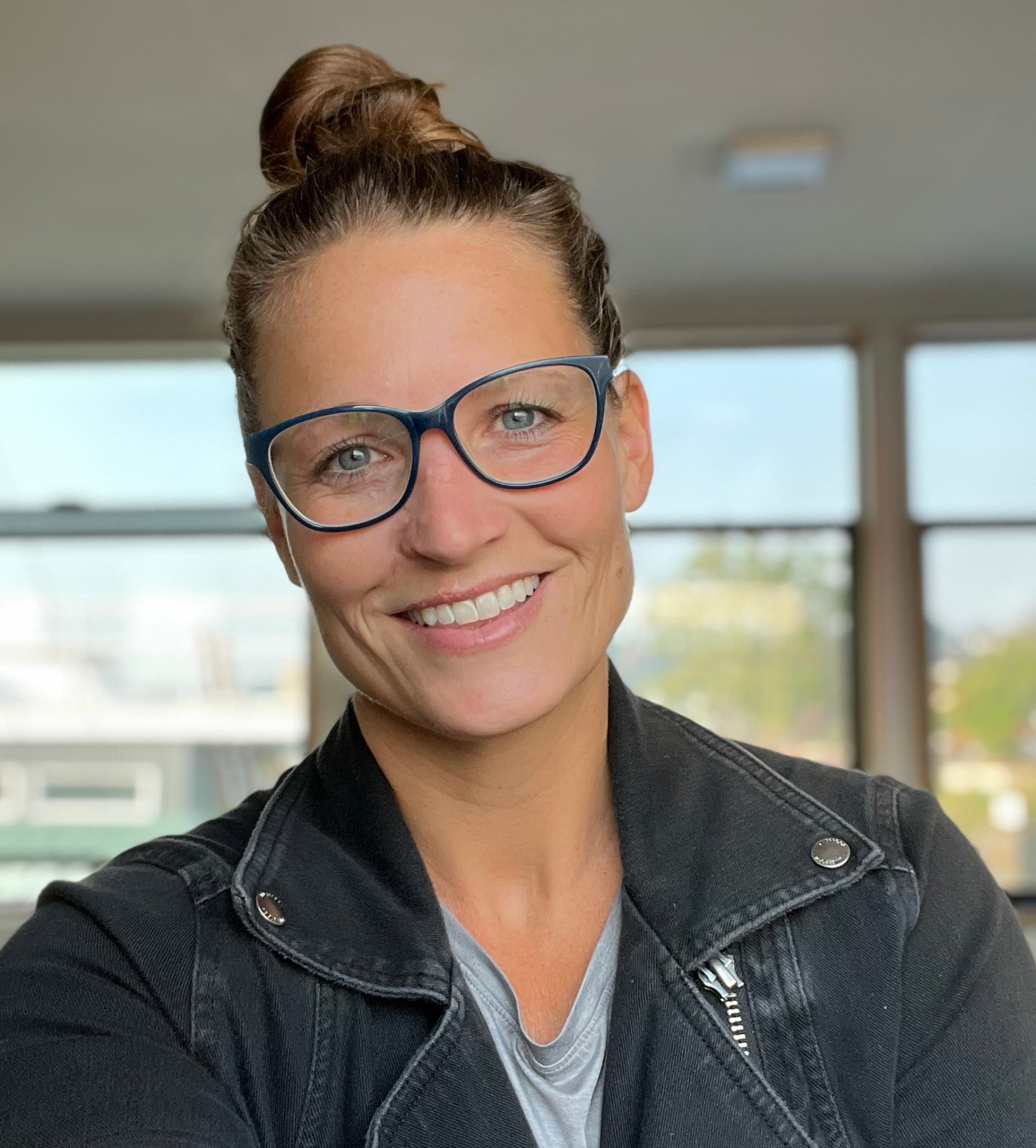
Julie McFarland
Technical Assistance (Contractor)
Julie was a housing provider and homeless response system leader for eight years before beginning national technical assistance in 2014. Direct service and housing program roles included shelter staff at the Poverello Center in Missoula, MT, shelter and housing program manager within a youth and young adult organization in Redmond, WA, and director of the coordinated entry system in Seattle, WA.